| 2000 BCE-300 BCE |
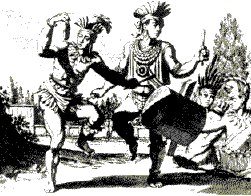
Amerindian settlement in the Caribbean, moving from North and South American mainland. |
600 CE-900 CE |
Taino settlement in Jamaica. |
| 1509 |
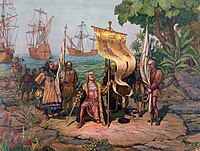
African slaves and Jewish indentured servants brought by the Spanish. |
| 1645 |
Hakka migration within China to coastal Guangdong |
| 1655 |
After failed attempt to seize Hispaniola, and to deflect Oliver Cromwell's wrath, English forces capture Jamaica, with an ailing Spanish governor and weak defenses.
Spanish resistance and retreat.
Free Africans and escaped slaves established palenques led by Lubolo (Juan de Bolas) and Juan de Sierras.
Maroon resistance begins. |
| 1660-70 |
Settlement by buccaneers, soldiers, colonists from Nevis, Suriname, West African slaves; beginning of plantation economy. |
| 1730-40 |
First Maroon War. |
| 1760 |
Slave rebellions; 400 executed and 600 transported to British Honduras (Belize). |
| 1795-96 |
Second Maroon War; captured Maroons transported to Nova Scotia, Canada and Sierra Leone. |
| 1834 |
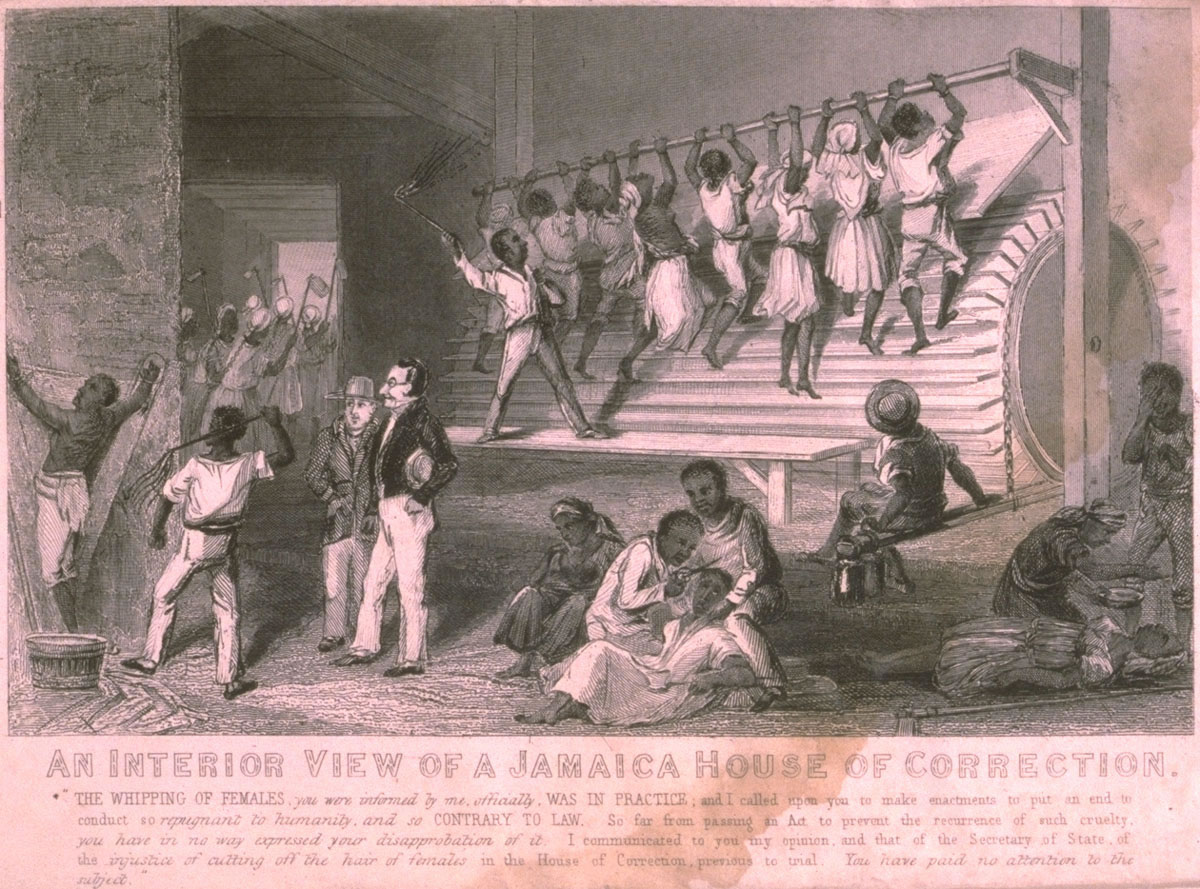
Emancipation of African slaves in British West Indies; importation of indentured labor from Germany, Scotland, Ireland, England, St. Helena, Sierra Leone. |
| 1845 |
South Asian indentured servants imported from Northern India. |
| 1850 |
Taiping Rebellion led by Hakkas, forcing many of the rebels to flee overseas. |
| 1854 |
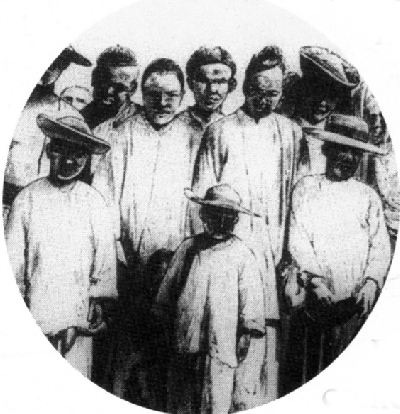
First group of 267 Chinese indentured servants arrive from Hong Kong aboard the Epsom; 205 more in two groups are sent from Panama aboard the Gorgona and Theresa Jane in exchange for African-Jamaican workers. |
| 1860s |
Some Jamaican workers settle in Panama and Cuba on completion of their contracts. |
| 1856-67 |
Punti-Hakka War in Guangdong. |
| 1864-1873 |
200 Chinese settle in Jamaica having completed contracts in Trinidad, British Guiana (Guyana). |
| 1865 |
Morant Bay Rebellion. |
| 1866 |
Crown Colony government. |
| 1881 |
Chinese begin to leave plantations on completion of contracts, open small shops. |
| 1884 |
Final group of 696 indentured Chinese arrives on the Prinz Alexander; they derive from See-Ip, Dung Guan, Fui Yung and Bao On. |
| 1886 |
First recorded strike in Jamaica by Chinese workers on Duckenfield Estate, St. Thomas; work day reduced from twelve to nine hours. |
| 1887 |
Marcus Garvey born in St. Ann's Bay, Saint Ann. |
| 1890 |
Chinese allowed into Jamaica as free immigrants. |
| 1891 |
Chinese Benevolent Society formed; oversees Chinese cemetery, Sanatorium, Home for the Aged. |
| 1899 |
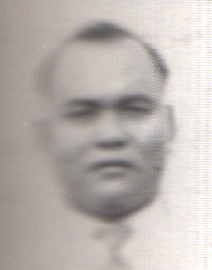
Chang Yun Fu aka Chang Ah Chun (father) born Liang Pai Wei, Dong Guan, Guangdong, China. |
| 1900 |
First immigrants from Palestine and Lebanon arrive. |
| 1905 |
Immigration restrictions imposed on Chinese. |
| 1916 |
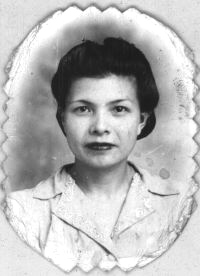
Chin Keun Tai (mother) born Cheung En Haa, Bao On, Guangdong, China |
| 1918 |
Anti-Chinese riots in Ewarton; shops burnt. |
| 1921-30 |
Several groups of Chinese enter as free immigrants. |
| c. 1927 |
Chang Ah Chun settles in Jamaica. |
| 1927-1940s |
Chang Ah Chun sires 3 sons, 1 daughter (possibly more) with African-Jamaican women.
See Family tree |
| c. 1930 |
Chang Ah Chun returns to China, marries Chin Keun Tai and brings her to Jamaica; they operate a shop in Brown's Town, Saint Ann and have three daughters, Margaret (Siw Fong), Lily (Siw Lan), Gwen (Siw Dzin) and a still-born son.
See Family tree |
| 1931 |
Jamaican government requests Hong Kong to cease Chinese immigration to Jamaica. |
| 1940 |
Chinese immigrants barred. |
| 1944 |
New constitution with ministerial government adopted. |
| 1947 |
Annual quota of 20 Chinese allowed for wives, children. |
| 1949 |
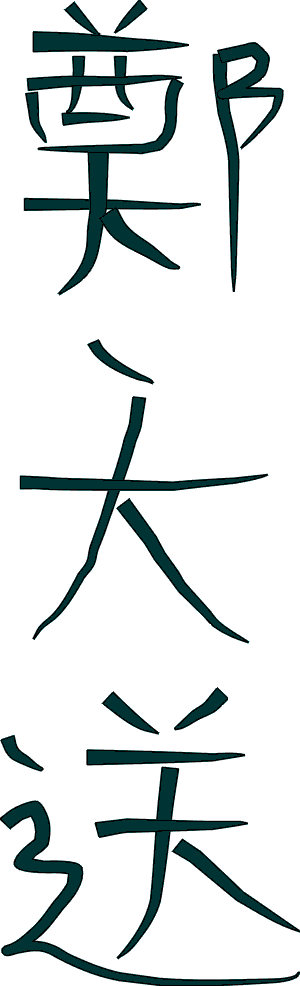
Larry Chang born in Alexandria, Saint Ann, fifth and last child of Chang Ah Chun and Chin Keun Tai aka Mary Chang; only son and heir, given Chinese name Ten Sung, Heaven sent; British subject under King George VI.
See Family tree |
| 1950s |
Migration of Jamaicans by banana boat to rebuild war-torn Britain, primarily as nurses and transit workers, many via HMS Empire Windrush. |
| c. 1957-1961 |
LC attends preparatory school at the Servite Convent of the Assumption, Huntley Park, Brown's Town, Saint Ann. Passes the Common Entrance Examination, earning a free place to high school. |
| 1957 |
Internal self-government. |
| 1961-1966 |
LC attends York Castle High School, Egypt, Brown's Town, Saint Ann, earning a Cambridge University General Certificate of Education at Advanced Level. |
| 1962 |
Jamaica Independence, August 6; first Chinese, Rupert Chin See, appointed to the Senate.
Chang Ah Chun dies, September 12. |
| 1965 |
Anti-Chinese riots in Kingston, some Chinese migrate to US, Canada and Britain. |
| 1967-1971 |
LC at California College of the Arts in Oakland, California, where he earns a BFA majoring in Environmental Design. |
| 1970s |
Fearing Michael Manley government's socialism, large-scale migration of middle-class, including Chinese, to Toronto, Canada and Miami, Florida. |
| 1972 |
LC returns to Jamaica, living in Kingston and working as architectural illustrator, designer. |
| 1977 |
LC and five others found Gay Freedom Movement (GFM), leading it as General Secretary and Editor of Jamaica Gaily News until 1981; he is the first Jamaican to come out publicly.
With little work due to economic decline, LC explores poetry, writing, painting, gardening, spirituality, yoga, meditation. |
| 1991 |
Eldest sibling, Margaret, dies July 5 in Montego Bay, Saint James, Jamaica.
|
| 1993-1995 |
LC studies Religious Science; qualifies as practitioner intern. |
| 1997 |
Sixteen men, suspected of being gay, killed in St. Catherine District Prison. |
| 1998 |
LC helps found Jamaica Forum of Lesbians, All-Sexuals & Gays (J-FLAG)
Mary Chang dies September 22 in Kingston, Jamaica |
| 2000 |
After murder of many gay men, vandalism and threats to him, LC exiles to the US in Atlanta, Georgia.
First North American Hakka Conference organized by Chinese-Jamaicans |
| 2002 |
LC moves to Washington, DC. |
| 2004 |
Brian Williamson, J-FLAG spokesperson, close friend and former business partner, killed.
LC granted political asylum in the US; launches website for asylum seekers (no longer online). |
| 2005 |
LC addresses Amnesty International rally and joins march on Jamaican Consulate in New York to protest Jamaican government's failure to protect its LGBT citizens. |
| 2006 |
LC launches LangwiJumieka, Jamaican language website.
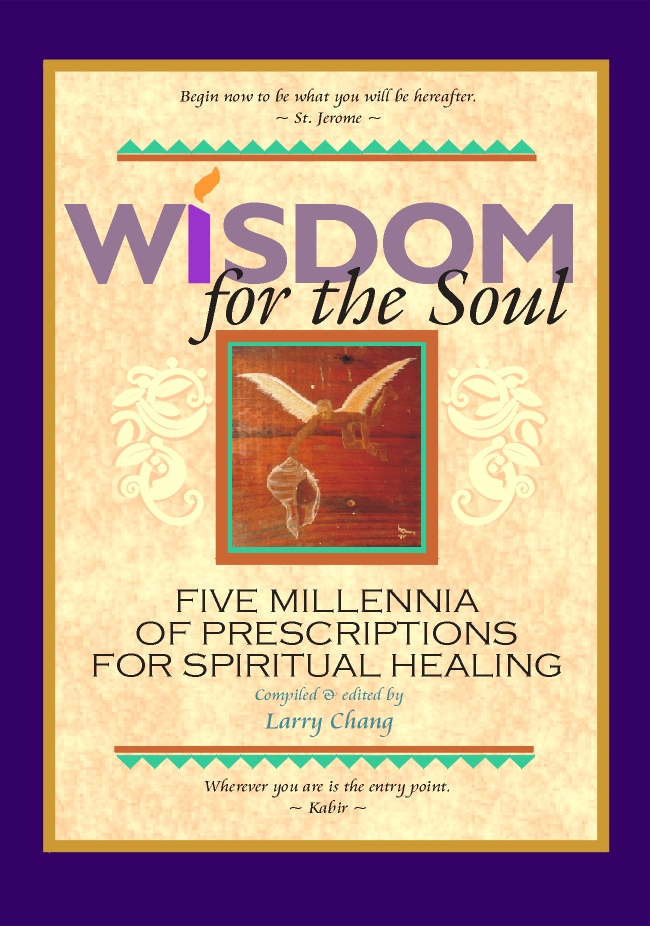
LC publishes Wisdom for the Soul: Five Millennia of Prescriptions for Spiritual Healing, an anthology of quotations. |
| 2007 |
Buju Banton, Beenie Man, Sizzla and Capleton sign Reggae Compassionate Act, following years of campaigning by GLAAD, OutRage!, JFLAG, Black Gay Men's Advisory Group and Stop Murder Music; within Jamaica they deny capitulating.
Second anthology published, Wisdom for the Soul of Black Folk.
LC creates Yes Strings Attached, social network for men who date men (no longer online). |
| 2008 |
LC granted permanent residence in US.
LC initiates EcolocityDC, an environmental initiative to transform Washington into a Transition town. |
| 2009 |
Second sibling, Lily, dies May 23 in St. Ann's Bay, Saint Ann, Jamaica.
|
| 2011 |
LC writes PANACEA, a new economic paradigm. |
| 2013 |
Last remaining sibling, Gwendoline, dies June 5 in Orlando, Florida, USA.
|
| 2014 |
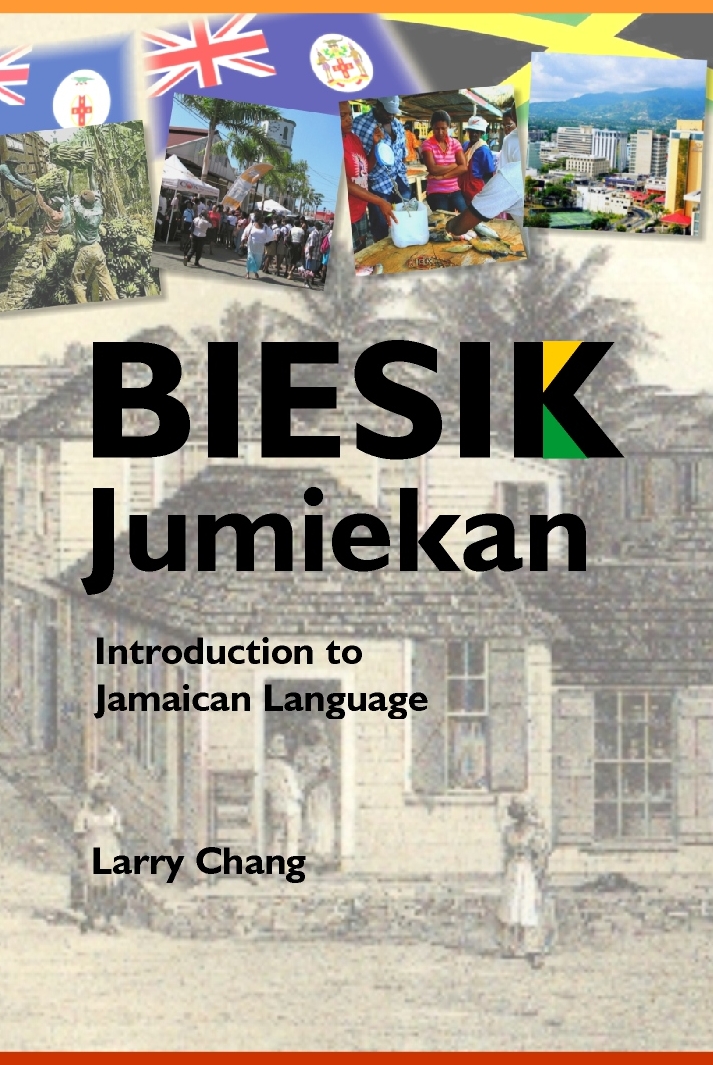
LC publishes Biesik Jumiekan: Introduction to Jamaican Language.
|
| 2015 |
LC naturalized as US citizen, resides in Chiang Mai, Thailand. |
| 2016 |
LC moves to Guimarães, Portugal. |
| 2017 |
LC moves to Lisboa, Portugal.
LC returns to Jamaica for the first time since exile in 2000 to deliver the keynote address at JFLAG's annual eponymous Larry Chang Human Rights Symposium to mark International Day Against Homophobia and Transphobia (IDAHOT) |
| 2020 |
LC moves to Vila Franca de Xira, Portugal. |